

Are you ready to take control of your energy usage? Energy storage systems are revolutionizing how we manage power at home.
These systems store energy for later use, making them essential for modern households.
In this article, we’ll explore the definition and purpose of energy storage systems. You’ll learn why they are vital for energy independence and how they support renewable energy. We’ll also highlight CONCENPOWER’s significant contributions to the industry.
Understanding the core components of energy storage systems is essential for homeowners looking to optimize their energy management. These systems consist of several key parts, each playing a crucial role in ensuring efficiency, safety, and reliability.
1. Battery Modules Battery modules are the heart of any energy storage system. They store electrical energy for later use. A popular choice among manufacturers, including CONCENPOWER, is Lithium Iron Phosphate (LiFePO4) batteries. These batteries are known for their safety and longevity compared to other chemistries.
Key Features of Lithium Iron Phosphate:
a. Safety: Lower risk of thermal runaway.
b. Longevity: Typically lasts longer than other types.
c. Efficiency: High charge and discharge efficiency.
The functionality of these modules ensures minimal energy loss, making them ideal for home use.
2. Inverter (Power Conversion System) The inverter is another critical component. It converts direct current (DC) from the battery into alternating current (AC), which is what most home appliances require. This conversion is vital for compatibility with household devices.
Importance of the Inverter:
a. DC to AC Conversion: Essential for using stored energy.
b. Compatibility: Ensures devices operate smoothly.
c. Integration: CONCENPOWER’s inverters work seamlessly with their energy storage systems, enhancing overall efficiency.
Without a reliable inverter, the benefits of an energy storage system would be significantly diminished.
3. Battery Management System (BMS) The BMS acts as the system's brain, monitoring the battery's health and performance. It ensures that the battery operates within safe limits, preventing issues like overcharging or overheating.
Functions of the BMS Include:
a. Monitoring: Tracks voltage, temperature, and charge levels.
b. Safety Features: Activates protective measures when necessary.
c. Data Logging: Provides insights into battery performance over time.
This system is crucial for maintaining the longevity and safety of the energy storage system.
4. Energy Management System (EMS) The EMS is software that optimizes energy usage within the home. It intelligently manages when to charge or discharge the battery based on electricity prices and consumption patterns.
Key Functions of the EMS:
a. Optimization: Adjusts energy flow for maximum efficiency.
b. User Interface: Often includes a dashboard for monitoring energy usage.
c. Intelligence: CONCENPOWER’s EMS integrates advanced algorithms to enhance performance.
By utilizing an EMS, homeowners can make informed decisions about their energy usage, leading to cost savings and improved efficiency.
Component | Functionality | Key Features |
Battery Modules | Stores electrical energy | Safety, longevity, efficiency |
Inverter | Converts DC to AC | Compatibility, efficiency |
Battery Management System | Monitors battery health and performance | Safety features, data logging |
Energy Management System | Optimizes energy usage and flow | User interface, intelligent algorithms |
These components work together to create a reliable and efficient energy storage system for homes. Understanding each part helps homeowners make informed choices about their energy management solutions.

Energy storage systems are essential for modern homes, providing a reliable way to manage energy use efficiently. Understanding how these systems operate helps homeowners make the most of their energy resources.
At the core of an energy storage system is the battery, which stores electricity for later use. The basic operation involves two primary processes: charging and discharging.
● Charging occurs when excess electricity is stored in the battery. This typically happens during the day when solar panels generate surplus energy or when electricity prices are low.
● Discharging happens when the stored energy is used to power home appliances, especially during peak demand times or at night when solar generation is not possible.
Energy storage systems work seamlessly with solar panels and the grid. When solar panels produce more electricity than the home needs, the extra energy charges the battery. This interaction allows homeowners to maximize their solar investment.
During the day, energy flows from the solar panels to the home and battery. If the battery is full, the excess energy can be sent back to the grid. Here's how it typically flows:
1. Solar Generation: Panels produce electricity.
2. Battery Charging: Excess energy charges the battery.
3. Home Consumption: Energy powers home appliances.
4. Grid Interaction: Unused energy can be fed back into the grid.
Energy storage systems play a crucial role in managing electricity costs, especially during peak and off-peak hours.
● Peak Hours: These are times when electricity demand is highest, often resulting in higher rates. During these periods, homeowners can draw power from their batteries instead of the grid, saving money.
● Off-Peak Hours: Conversely, when demand is low, electricity rates are typically cheaper. This is an ideal time to charge the battery, allowing homeowners to take advantage of lower prices.
Energy arbitrage refers to the practice of buying electricity at lower rates during off-peak hours and using it during peak hours when prices are higher.
● How It Works:
○ Charge the battery with electricity during off-peak times.
○ Discharge the battery during peak times to power the home.
This strategy helps homeowners reduce their energy bills significantly.
One of the standout features of energy storage systems is their ability to provide backup power during outages.
● Reliable Backup Power: CONCENPOWER’s systems are designed to automatically switch to backup mode when the grid goes down. This ensures that essential appliances, like refrigerators and lights, continue to function without interruption.
● Peace of Mind: Knowing that your home has a reliable power source during outages enhances energy security.
Time Period | Source of Energy | Action Taken |
Day (Peak Solar) | Solar Panels | Charge battery and power home |
Day (Excess) | Battery | Feed excess energy to the grid |
Night (Peak) | Battery | Discharge battery to power home |
Night (Off-Peak) | Grid | Charge battery at lower rates |
By understanding how energy storage systems work, homeowners can maximize their energy efficiency, reduce costs, and ensure a reliable power supply in their homes.
Home energy storage systems offer numerous benefits that can significantly enhance a homeowner's quality of life. From maximizing solar energy usage to providing backup power during outages, these systems are versatile and essential for modern living.
1. Solar Self-Consumption One of the primary advantages of an energy storage system is the ability to store excess solar energy for later use. During the day, when solar panels generate more electricity than the home needs, the surplus energy charges the battery.
a. Nighttime Use: This stored energy can then be used at night, allowing homeowners to rely less on grid power. This is particularly beneficial in areas where electricity rates are higher during peak hours.
b. Maximizing Efficiency: By pairing CONCENPOWER’s solar panels with their energy storage systems, homeowners can achieve maximum efficiency. This combination ensures that they utilize the most energy possible from their solar installations.
2. Emergency Backup Power Power outages can be inconvenient and disruptive. Energy storage systems provide a reliable backup power source during these times.
a. Power Security: CONCENPOWER's Battery Energy Storage System (BESS) is designed to automatically switch to backup mode when the grid goes down. This feature ensures that essential appliances, such as refrigerators and lights, continue to function without interruption.
b. Peace of Mind: Knowing that your home has a dependable backup power source enhances energy security, allowing homeowners to feel safe during unexpected outages.
1. Reducing Electricity Bills Homeowners can achieve significant cost savings by using energy storage systems effectively.
a. Peak Shaving: By discharging stored energy during peak demand times, homeowners can reduce their reliance on grid power, which is often more expensive during these hours. This practice, known as peak shaving, helps keep electricity bills lower.
b. Long-Term Financial Benefits: Investing in CONCENPOWER’s technology can lead to substantial long-term savings. Over time, the reduction in electricity bills can offset the initial investment in the energy storage system, making it a financially sound decision.
Use Case | Benefits | Key Features |
Solar Self-Consumption | Stores excess solar energy for later use | Pairing with CONCENPOWER’s panels |
Emergency Backup Power | Provides power during outages | Automatic switch to backup mode |
Cost Savings | Reduces electricity bills through peak shaving | Long-term financial benefits |
By understanding these primary use cases, homeowners can better appreciate the value of energy storage systems. They not only enhance energy efficiency but also contribute to significant savings and security in energy management.
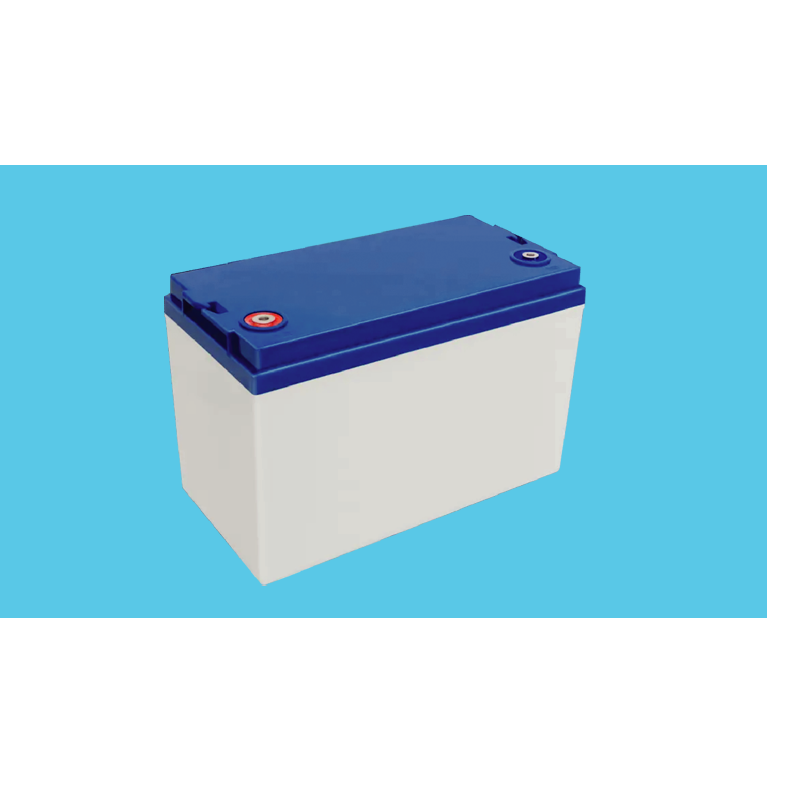
Choosing the right size for your energy storage system is crucial for maximizing efficiency and meeting your household needs. An appropriately sized system ensures that you can store enough energy to cover your usage while avoiding unnecessary costs.
1. Capacity Measurement (kWh) The capacity of an energy storage system is measured in kilowatt-hours (kWh). This metric indicates how much energy the battery can store. To determine the right capacity, you should consider your daily electricity consumption and how much solar energy you generate.
2. Factors to Consider Several factors influence the size of the energy storage system you need:
a. Daily Electricity Usage: Assess your average daily energy consumption. This includes all appliances, lighting, and heating or cooling systems.
b. Solar Output: If you have solar panels, evaluate how much energy they produce daily. This helps in determining how much energy you can store for later use.
c. Household Size: Larger households typically consume more energy, requiring a bigger storage capacity to meet their needs.
By analyzing these factors, you can get a clearer picture of your energy requirements.
3. Recommendations from CONCENPOWER CONCENPOWER provides guidelines to help homeowners select the optimal size for their energy storage systems. They recommend evaluating your energy usage patterns and considering future needs, such as potential home expansions or increased energy consumption.
Energy storage systems come in various sizes to accommodate different household needs. Here are the typical categories:
● Small (5-10 kWh): Ideal for smaller homes or those with minimal energy usage. These systems are suitable for basic needs, like powering essential appliances.
● Medium (10-20 kWh): A great option for average households. This size can support more appliances and provide backup during peak hours.
● Large (20+ kWh): Designed for larger homes or those with high energy demands. These systems can power multiple devices simultaneously and provide substantial backup during outages.
Size Category | Capacity (kWh) | Suitable For |
Small | 5-10 | Small homes, minimal energy needs |
Medium | 10-20 | Average households, moderate usage |
Large | 20+ | Large homes, high energy demands |
When sizing your energy storage system, consider your current and future energy needs. This thoughtful approach will ensure you choose a system that fits your lifestyle and maximizes your energy savings.
Energy storage systems are vital for modern homes. They provide numerous benefits, such as solar self-consumption and emergency backup power.
Choosing a trusted brand like CONCENPOWER ensures reliability and efficiency.
Investing in energy storage not only promotes energy independence but also leads to significant cost savings.
Homeowners should consider these systems to enhance their energy management and security.
A: A typical home battery can last between 10 to 15 years, depending on usage and maintenance.
A: Yes, you can install a battery storage system independently of solar panels, using grid power.
A: Savings vary, but homeowners can reduce bills significantly by using stored energy during peak hours.
A: If the battery is full, excess energy can be fed back into the grid or diverted.
A: CONCENPOWER employs advanced technology and rigorous testing to ensure high performance and reliability.


