

Have you ever wondered how energy storage systems work? These systems play a crucial role in managing our energy needs. Understanding their components is essential for anyone interested in energy solutions.
In this article, we’ll explore the primary components of energy storage systems. You’ll learn about batteries, management systems, and more. By the end, you’ll have a clearer picture of how these systems operate and their importance in our energy landscape.
Energy storage systems (ESS) are technologies that capture and store energy for later use. They play a vital role in balancing supply and demand in our energy landscape. By storing excess energy generated during peak production times, these systems ensure a steady supply when demand spikes.
There are several types of energy storage systems, each serving different needs:
● Battery Storage: This is the most common form of ESS, using chemical reactions to store energy. Lithium-ion batteries are popular because of their efficiency and longevity. They are widely used in residential and commercial applications.
● Pumped Hydro: This method involves pumping water to a higher elevation during low demand. When demand increases, the stored water is released to generate electricity. It’s one of the oldest and most effective forms of energy storage.
● Flywheels: Flywheels store energy mechanically. They spin at high speeds to store kinetic energy, which can be converted back to electricity when needed. Flywheels are known for their rapid response times and durability.
Here’s a quick comparison of these systems:
Type of Energy Storage | Key Features | Applications |
Battery Storage | High efficiency, versatile | Residential, commercial |
Pumped Hydro | Large-scale, established technology | Grid stabilization |
Flywheels | Fast response, mechanical storage | Frequency regulation |
Energy storage systems are crucial for integrating renewable energy sources like solar and wind. These sources produce energy intermittently, meaning they don't always match demand. ESS allows us to store excess energy generated during sunny or windy days. Then, we can release it during periods of low production. This capability enhances grid stability and reliability.
CONCENPOWER stands out as a leading provider of advanced energy storage solutions. They develop innovative technologies that ensure high efficiency and safety. With over 11 years of experience in the industry, CONCENPOWER has successfully implemented more than 50 projects. Their commitment to quality and reliability makes them a trusted partner in the energy storage market.
In summary, understanding energy storage systems is essential for navigating today’s energy challenges. They offer solutions that support renewable energy integration and contribute to a more sustainable future.

Energy storage systems (ESS) are intricate setups that rely on several key components to function effectively. Each part plays a crucial role in ensuring energy is stored, managed, and utilized efficiently. Let’s dive deeper into these essential components and understand their significance.
Batteries are the core of any energy storage system, acting as the primary medium for storing electrical energy in chemical form. When energy is needed, these batteries release it back into the system. The function of batteries can be summarized as follows:
● Energy Storage: They store energy generated from various sources, such as solar panels or wind turbines, for later use.
● Energy Release: Batteries supply power during peak demand times, ensuring a stable energy supply.
There are various battery technologies commonly used in ESS, including:
● Lithium-Ion: These batteries are favored for their high energy density, lightweight design, and long cycle life. They are widely used in residential and commercial applications due to their efficiency and low maintenance requirements.
● Lead-Acid: A more traditional technology, lead-acid batteries are robust and cost-effective. While they have a shorter lifespan compared to lithium-ion batteries, they are still popular for backup power systems.
Battery modules are collections of individual cells grouped together to create a larger storage unit. This modular approach allows for scalability and flexibility, enabling systems to be tailored to specific energy needs.
One of the most popular chemistries in modern energy storage is Lithium Iron Phosphate (LFP). LFP batteries are known for their excellent thermal stability and long cycle life, making them a safe choice for various applications. They are particularly suitable for grid storage and electric vehicles.
CONCENPOWER has developed advanced energy storage batteries that leverage these technologies. Their innovative designs focus on maximizing performance while ensuring safety and longevity. By utilizing high-quality materials and cutting-edge technology, CONCENPOWER’s batteries stand out in the energy storage market.
The Battery Management System (BMS) is critical in overseeing battery performance and safety. It ensures that batteries operate within safe parameters, preventing overcharging or overheating, which can lead to failures or safety hazards. The BMS performs several key functions:
● Safety Monitoring: It continuously tracks voltage, temperature, and current levels to detect any anomalies. If any parameter exceeds safe limits, the BMS can initiate protective measures, such as disconnecting the battery from the system.
● Cell Balancing: This function ensures that all cells within a battery module maintain equal charge levels. Cell balancing is vital for maximizing battery life and performance, as uneven charge levels can lead to premature aging of individual cells.
● Health Diagnostics: The BMS assesses the State of Charge (SoC) and State of Health (SoH) of the battery. This information helps operators understand the battery's condition and predict when maintenance or replacement may be necessary.
A robust BMS is essential for extending battery life and ensuring safety. CONCENPOWER’s BMS is designed to provide comprehensive monitoring and control, contributing significantly to the reliable long-term operation of their energy storage systems.
The Power Conversion System (PCS) plays a vital role in the functionality of energy storage systems. It is responsible for converting the stored energy from direct current (DC) in the batteries to alternating current (AC), which is used in homes and businesses. Here’s how it works:
● Bidirectional Flow: The PCS facilitates energy flow in both directions—charging the batteries when there is excess energy and discharging energy back into the grid or load when needed. This bidirectional capability is essential for efficient energy management.
● AC-Coupled vs. DC-Coupled Systems:
○ AC-Coupled Systems: These connect the battery to the grid through an inverter, allowing for easy integration with existing infrastructure.
○ DC-Coupled Systems: These systems connect directly to solar panels, enabling more efficient energy transfer and reducing conversion losses.
CONCENPOWER’s inverters are engineered for seamless integration with their energy storage systems. They enhance overall system performance by ensuring efficient power conversion, minimizing energy losses, and providing real-time monitoring capabilities.
The Energy Management System (EMS) acts as the brain of the energy storage system. It optimizes the performance of the entire setup by managing how energy is stored, released, and distributed. The EMS performs several critical functions:
● Dispatch Strategy: The EMS determines when to charge or discharge the batteries based on real-time energy demand and availability. This strategic management helps reduce energy costs and improve system efficiency.
● Load Management: It ensures that energy is distributed effectively across the system, prioritizing loads based on demand. This function is crucial during peak usage times to avoid overloading the system.
● Data Collection and Analytics: The EMS collects data on energy usage patterns, system performance, and operational efficiency. This information can be analyzed to make informed decisions about energy management strategies.
CONCENPOWER’s proprietary energy management systems intelligently coordinate energy storage and release, maximizing efficiency and enhancing the overall performance of their ESS.
Thermal management is vital for maintaining optimal battery performance and safety. Batteries generate heat during operation, which can affect their lifespan and efficiency if not managed properly. Effective thermal management strategies include:
● Liquid Cooling: This method circulates a coolant around the battery modules to absorb heat efficiently. Liquid cooling is particularly effective in large-scale systems where heat generation is significant.
● Air Cooling: Fans or ventilation systems are used to dissipate heat from the battery modules. While generally less efficient than liquid cooling, air cooling is simpler and often sufficient for smaller systems.
Proper thermal management prevents battery degradation and safety issues, such as thermal runaway. CONCENPOWER ensures optimal operating temperatures for their energy storage systems, enhancing reliability and performance.
The Balance of System (BoS) includes all auxiliary components that support the energy storage system. These components are essential for ensuring the integrity and safety of the system. Key elements of BoS include:
● Enclosures: These protect the batteries and other components from environmental factors, such as moisture and dust, which can compromise performance.
● Protection Systems: Circuit breakers, fuses, and other protective devices prevent electrical faults and ensure safe operation under various conditions.
● Transformers: These adjust voltage levels to meet grid requirements, facilitating the safe and efficient transfer of electricity.
CONCENPOWER incorporates robust BoS components in their energy storage systems. This comprehensive approach enhances overall reliability and safety, ensuring that their energy storage solutions are not only efficient but also durable and long-lasting.
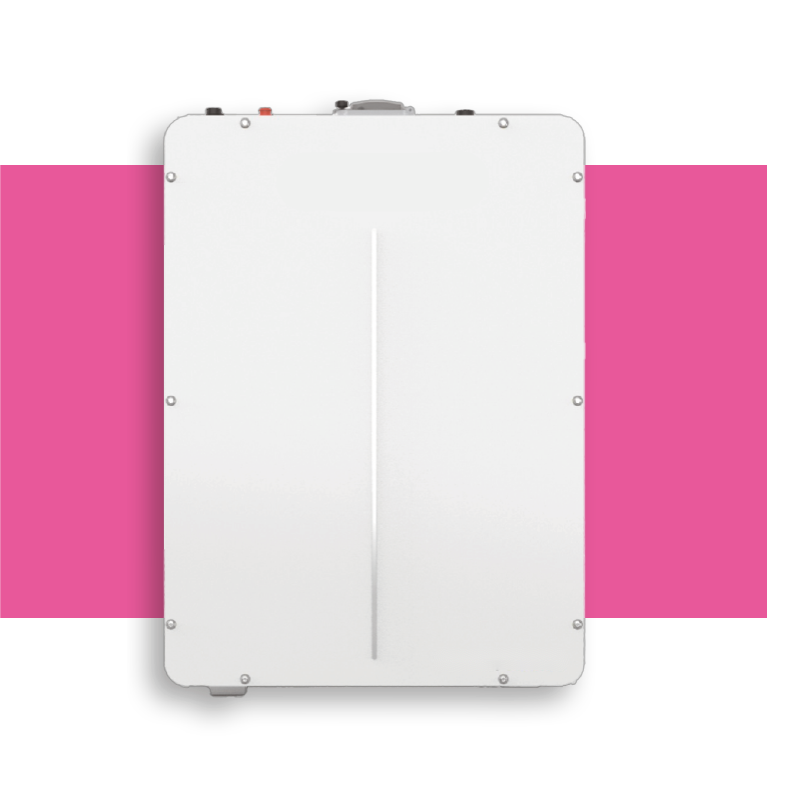
Energy storage systems (ESS) are designed to operate as cohesive units, where each component plays a vital role in the overall functionality. Understanding how these components interact is crucial for appreciating the efficiency and reliability of an ESS. Let’s explore the synergy between these components and how they work together to deliver seamless energy management.
The interaction among the various components of an energy storage system creates a powerful synergy. Each part contributes to the overall performance, ensuring that energy is stored, managed, and released efficiently. For instance, the Battery Management System (BMS) monitors the health and safety of the batteries while the Power Conversion System (PCS) facilitates the flow of energy between the batteries and the grid.
● The Energy Management System (EMS) coordinates these activities, optimizing when to charge and discharge based on energy demand and availability. This integration allows for real-time adjustments, enhancing system responsiveness.
The flow of energy within an ESS can be visualized as a cycle. Here’s a simplified representation of this flow:
1. Energy Generation: Energy is generated from renewable sources such as solar panels or wind turbines.
2. Energy Storage: The generated energy is converted into DC and stored in the battery modules.
3. Energy Management: The EMS continually assesses energy demand and storage levels, deciding when to store excess energy or release it back to the grid.
4. Energy Release: When demand peaks, the PCS converts the stored DC energy back into AC, supplying power to homes or businesses.
This cycle ensures a constant balance between energy supply and demand, contributing to grid stability.
To illustrate how these components work together, let’s consider a few real-world applications, particularly highlighting CONCENPOWER’s successful projects.
In a solar energy storage project, energy generated during the day is stored in lithium-ion batteries. The BMS monitors the battery health, ensuring optimal performance. The EMS decides when to release energy during peak evening hours, providing power to the grid when demand is highest.
In a grid stabilization project, pumped hydro storage systems work in tandem with solar farms. When solar energy production is high, excess energy is used to pump water to a higher elevation. During peak demand, the stored water is released to generate electricity. The PCS manages the conversion of energy, while the EMS coordinates the entire process, ensuring efficient operation.
Application | Key Components Involved | Benefits |
Solar Energy Storage | Battery Modules, BMS, EMS, PCS | Efficient energy use, peak demand management |
Grid Stabilization | Pumped Hydro, EMS, PCS | Enhanced grid stability, renewable integration |
CONCENPOWER has successfully implemented these solutions, showcasing how integrated energy storage systems can optimize performance and enhance reliability. Their projects demonstrate the effectiveness of combining various technologies to meet energy demands efficiently.
By understanding the synergy and flow of energy within an ESS, it becomes clear how crucial each component is in creating a reliable and efficient energy storage solution. The collaboration between these elements not only improves energy management but also supports the transition to a more sustainable energy future.
In summary, energy storage systems consist of key components, including batteries, management systems, and power conversion systems. These elements work together to ensure efficient energy storage and delivery.
We encourage you to explore further and consider how an ESS can meet your energy needs. For more information about advanced energy storage solutions, engage with additional resources or contact CONCENPOWER today.
A: The most common types include battery storage, pumped hydro, and flywheels.
A: ESS helps balance supply and demand, storing excess energy for later use, enhancing grid stability.
A: Consider factors like capacity, efficiency, cost, and the specific energy needs of your application.
A: Regular monitoring, cleaning, and following the manufacturer's guidelines ensure optimal performance.
A: Yes, potential concerns include overheating, chemical leaks, and electrical faults, which can be managed with proper systems.
A: Partnering with CONCENPOWER provides access to advanced technologies and expertise, improving your competitive edge.


