

Are you ready for the future of energy? Energy storage systems (ESS) are revolutionizing how we manage power. These systems are crucial for integrating renewable energy and ensuring grid stability.
In this article, we’ll explore what energy storage systems are and their vital role in modern infrastructure. You’ll learn how they support sustainability and enhance energy reliability, with examples from industry leader CONCENPOWER.
Energy storage systems (ESS) come in various types, each serving unique purposes and applications. Understanding these types can help you appreciate their roles in our energy landscape. With the growing demand for renewable energy, these systems are becoming increasingly essential for maintaining a stable and reliable power supply.
Electrochemical energy storage primarily involves batteries. These systems store energy through chemical reactions, making them essential for various applications. They are particularly valuable in integrating renewable energy sources like solar and wind into the grid.
Lithium-ion batteries are the most widely used in energy storage. They offer several advantages:
● High Efficiency: Lithium-ion batteries have an efficiency rate of 85-95%, making them ideal for both residential and utility-scale applications. This means that a significant portion of the energy put into the battery is retrievable.
● Wide Applications: From smartphones to electric vehicles, their versatility is unmatched. They power everything from portable electronics to large-scale energy storage systems.
However, they also face limitations:
● Cost: While prices have decreased over the years, lithium-ion batteries can still be expensive to produce, especially for large-scale applications.
● Safety Concerns: They may pose risks, such as overheating or fire hazards, particularly if not properly managed.
CONCENPOWER has developed advanced lithium-ion battery technology, focusing on safety and efficiency. Their products exemplify the latest innovations in this field, incorporating enhanced thermal management and battery management systems to mitigate risks.
Flow batteries operate differently from traditional batteries. They use liquid electrolytes that flow through electrochemical cells to store energy.
● Benefits: This design allows for scalability and long cycle life. Flow batteries can last for tens of thousands of cycles without significant degradation, making them ideal for applications requiring frequent cycling.
● Use Cases: Flow batteries are particularly suitable for large-scale applications, such as grid storage, where long-duration energy supply is essential. They can store excess energy generated from renewables for use during peak demand periods.
In addition to lithium-ion and flow batteries, new technologies are emerging, promising to enhance energy storage capabilities.
● Sodium-Ion Batteries: These batteries are gaining traction due to the abundance of sodium. They offer a cost-effective alternative to lithium-ion batteries, especially in large-scale applications where resource availability is critical.
● Zinc-Hybrid Batteries: Known for their safety and environmental benefits, zinc-hybrid batteries are suitable for various applications, including renewable energy storage. They are less prone to thermal runaway compared to lithium-ion options.
Mechanical energy storage systems utilize physical processes to store energy. They are effective for balancing supply and demand in the grid, providing rapid response capabilities.
Pumped hydro storage is the most established form of mechanical energy storage.
● Mechanism: It works by pumping water to a higher elevation during low demand. When energy is needed, the water flows back down, turning turbines to generate electricity. This process can be highly efficient, achieving efficiencies of around 70-90%.
● Global Examples: Facilities like the Bath County Pumped Storage Station in Virginia demonstrate this technology's scale, providing significant capacity to the grid. It can generate up to 3,003 megawatts, making it one of the largest in the world.
Flywheel systems store energy in a rotating mass.
● Functionality: When energy is needed, the flywheel's rotational energy is converted back to electricity. This process is fast and efficient, enabling quick responses to fluctuations in energy demand.
● Applications: Flywheels are ideal for short-term energy storage, such as stabilizing grid fluctuations. They are commonly used in applications requiring rapid bursts of energy, like frequency regulation.
Thermal energy storage systems capture heat or cold for later use. They play a crucial role in managing energy from renewable sources.
● How It Works: These systems store energy as heat in materials like molten salt or water. When needed, the stored heat can generate steam to produce electricity. This process helps balance supply and demand, especially during peak times.
Applications: Thermal storage is often used in conjunction with solar energy systems. For example, the Crescent Dunes Solar Energy Project in Nevada utilizes molten salt to provide continuous power, even when the sun isn't shining. This project can store heat for up to 10 hours, ensuring reliable energy supply.
Chemical energy storage involves storing energy in the form of chemical compounds, offering a flexible solution for long-term energy needs.
● Hydrogen Storage: Hydrogen is produced through electrolysis and can be stored for later use. This method is promising for long-term energy storage and can be utilized in fuel cells to generate electricity cleanly.
● Ammonia and Synthetic Fuels: These fuels can be produced from renewable energy sources. Ammonia serves as a hydrogen carrier, while synthetic fuels can be used in existing infrastructure, providing a bridge to a cleaner energy future.
Type of Energy Storage | Key Features | Applications |
Lithium-Ion Batteries | High efficiency, versatile | Consumer electronics, EVs |
Flow Batteries | Long cycle life, scalable | Grid storage, renewable integration |
Sodium-Ion Batteries | Cost-effective, abundant | Large-scale energy applications |
Zinc-Hybrid Batteries | Safe, environmentally friendly | Renewable energy storage |
Pumped Hydro Storage | High capacity, efficient | Large-scale energy generation |
Flywheel Energy Storage | Fast response, short-term | Grid stabilization, frequency regulation |
Thermal Energy Storage | Heat storage, renewable integration | Solar energy systems |
Chemical Energy Storage | Hydrogen, ammonia | Long-term energy storage |
These diverse energy storage systems are vital for a sustainable energy future. By understanding their unique features and applications, we can better appreciate their role in transitioning to renewable energy sources, ensuring a reliable and resilient energy supply.
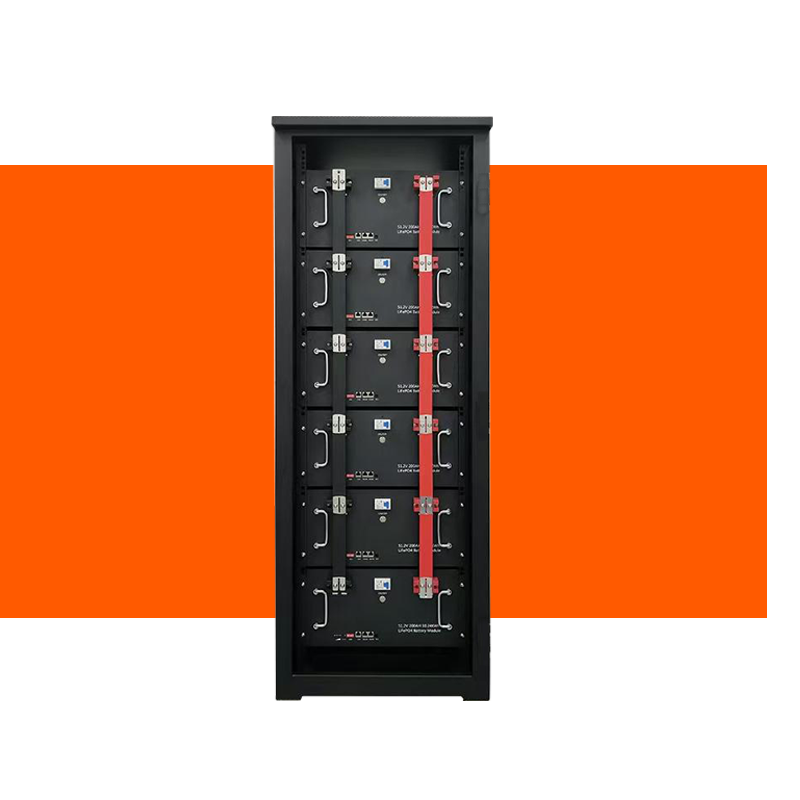
An energy storage system (ESS) consists of several core components that work together to store and manage energy effectively. Understanding these components is crucial for grasping how ESS functions and its applications in real-world scenarios.
At the heart of any energy storage system are the battery modules. These modules consist of multiple battery cells connected together to store energy efficiently.
● Battery Cells: Each cell is a basic unit that generates voltage through electrochemical reactions. When combined in modules, they can store larger amounts of energy.
● Configuration: Battery modules can be arranged in series or parallel configurations, allowing flexibility in voltage and capacity. This flexibility is essential for tailoring the system to specific applications, such as residential or industrial use.
For example, CONCENPOWER’s battery modules are designed for high energy density and long life, ensuring that they meet the demands of various applications, from electric vehicles to grid storage.
A Battery Management System (BMS) is critical for ensuring the safety and efficiency of energy storage systems. It monitors the health and performance of battery cells.
● Safety Monitoring: The BMS tracks parameters like voltage, current, and temperature. By doing so, it helps prevent overcharging, overheating, and other potential hazards that could lead to battery failure or fires.
● Efficiency Optimization: The BMS optimizes charging and discharging cycles, ensuring that the batteries operate at their best efficiency. This capability extends the lifespan of the battery and improves overall system performance.
By integrating advanced BMS technology, companies like CONCENPOWER enhance the safety and reliability of their energy storage solutions, providing peace of mind to users.
The Power Conversion System (PCS) plays a vital role in managing the flow of electricity within an energy storage system.
● AC to DC Conversion: The PCS converts alternating current (AC) from the grid into direct current (DC) for charging the batteries. This process is essential because most batteries store energy as DC.
● DC to AC Conversion: When energy is needed, the PCS converts the stored DC back into AC, making it usable for homes and businesses. This dual functionality ensures seamless integration with the electrical grid.
The efficiency of the PCS can significantly impact the overall performance of the energy storage system. High-quality PCS units minimize energy losses during conversion, maximizing the amount of usable energy.
An Energy Management System (EMS) oversees the operation of the entire energy storage system, optimizing its performance based on real-time data.
● Functionality: The EMS monitors energy production, consumption, and storage levels. It makes intelligent decisions about when to charge or discharge the batteries for maximum efficiency.
● Benefits: By optimizing energy flow, the EMS helps reduce energy costs and enhances the reliability of power supply. It can also respond to grid demands, providing support during peak usage times.
CONCENPOWER integrates advanced EMS technology into their products, ensuring optimized performance. Their EMS solutions allow users to manage energy resources effectively, contributing to a more sustainable energy future.
Core Component | Function | Benefits |
Battery Modules | Store energy through connected battery cells | High energy density and flexibility |
Battery Management System | Monitor and optimize battery performance | Enhanced safety and extended lifespan |
Power Conversion System | Convert AC to DC and vice versa | Efficient energy flow and minimal losses |
Energy Management System | Oversee and optimize system performance | Cost savings and improved reliability |
These core components work together to create a cohesive energy storage system. By understanding their functions and importance, we can appreciate the complexity and effectiveness of energy storage solutions in today's energy landscape.
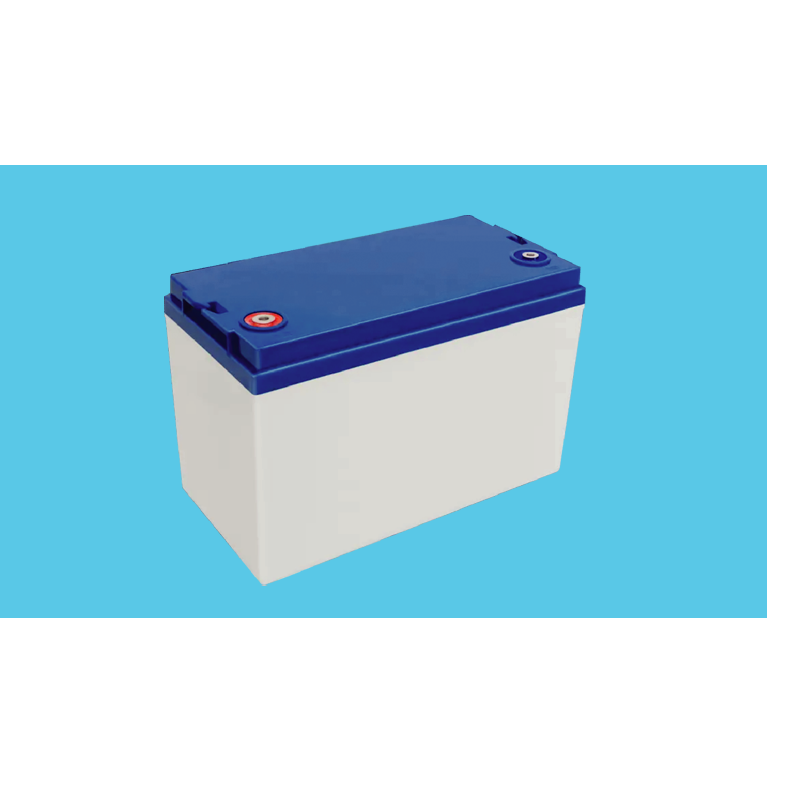
Energy storage systems (ESS) play a crucial role in various sectors, providing flexibility and reliability in energy management. Their applications span residential, commercial, and utility-scale settings, each benefiting from the unique advantages of energy storage.
Home energy storage systems are becoming increasingly popular among homeowners. These systems allow individuals to store energy generated from renewable sources, like solar panels, for later use.
● Benefits: By storing excess energy, homeowners can reduce their reliance on the grid, lower energy bills, and gain energy independence. During peak hours, stored energy can be used, avoiding high electricity rates.
● CONCENPOWER’s Solutions: Their home energy storage systems are designed to integrate seamlessly with solar power systems. This integration enhances energy independence, allowing homeowners to maximize their renewable energy use while minimizing costs.
For instance, families can enjoy uninterrupted power during outages by relying on CONCENPOWER’s advanced battery technology. This not only provides peace of mind but also promotes sustainable living.
Businesses and municipalities are increasingly adopting energy storage systems to optimize their energy usage.
● Use Cases: ESS can help manage energy costs, improve reliability, and support sustainability initiatives. For example, companies can store energy during off-peak hours when rates are lower and use it during peak demand times.
● Successful Implementations: Some notable examples include large retail chains and municipal buildings that have successfully integrated ESS. These installations have resulted in significant cost savings and enhanced energy resilience.
Commercial Application | Benefits | Examples |
Retail Chains | Cost savings, energy reliability | Walmart's energy storage projects |
Municipal Buildings | Enhanced resilience, sustainability goals | City Hall in San Diego |
Manufacturing Facilities | Peak shaving, operational efficiency | Tesla's Gigafactory |
Utility-scale energy storage projects are essential for stabilizing the grid and integrating renewable energy sources.
● Large-Scale Projects: These systems store vast amounts of energy, which can be deployed during peak demand or when renewable generation is low. This capability helps to balance supply and demand on the grid.
● CONCENPOWER's Contributions: The company has been at the forefront of developing utility-scale solutions that enhance grid reliability. Their systems can support renewable energy integration, ensuring a smoother transition to cleaner energy sources.
For example, CONCENPOWER has implemented large-scale battery storage projects that allow utilities to store energy from wind and solar farms, providing backup power during critical times.
Energy storage systems also play a vital role in supporting electric vehicle (EV) infrastructure.
● Supporting EV Infrastructure: As EV adoption grows, the demand for charging stations increases. ESS can store energy to supply these stations, especially during peak hours when grid demand is high.
● Scalable Storage Solutions: Scalable energy storage solutions are essential for EV charging stations. They allow for efficient energy management, helping to reduce costs and improve the overall user experience.
By integrating ESS into EV charging networks, companies can provide reliable and efficient charging solutions. This integration not only supports the growing number of electric vehicles but also enhances the overall sustainability of transportation.
Integration Aspect | Benefits | Impact |
EV Charging Stations | Efficient energy management | Reduced costs for consumers |
Scalability | Flexibility to meet growing demand | Supports widespread EV adoption |
Renewable Energy Use | Enhances sustainability | Lowers carbon footprint |
These applications illustrate the versatility and importance of energy storage systems in today's energy landscape. By understanding how they function across different sectors, we can appreciate their role in advancing energy efficiency and sustainability.
Energy storage systems (ESS) are vital for modern energy management. They enhance efficiency, support renewable energy integration, and provide reliability across residential, commercial, and utility applications.
By considering energy storage solutions, you can reduce costs and improve energy independence. Explore CONCENPOWER's innovative offerings for reliable and efficient energy storage options tailored to your needs. Embrace the future of energy with ESS today!


