

Have you ever wondered how we can store energy for later use? Energy storage systems (ESS) are vital in today’s energy landscape. They help manage the growing demand for renewable energy and balance supply with demand.
In this article, we will explore what energy storage systems are and their importance in modern energy management. You'll learn about the various types of ESS and their limitations, as well as how companies like CONCENPOWER are leading the way in this essential field.
Energy storage systems (ESS) come in various forms, each serving unique roles in energy management. Understanding these types can help us appreciate their applications and limitations.
Energy storage technologies can be broadly classified into two categories: short-duration energy storage (SDES) and long-duration energy storage (LDES). Each type has distinct characteristics and applications, making them suitable for different scenarios.
Definition and Characteristics
Short-duration energy storage systems typically provide energy for a limited time, usually ranging from seconds to a few hours. They are designed for quick response, making them ideal for balancing short-term fluctuations in energy supply and demand.
Common Applications and Technologies
Common technologies in this category include lithium-ion batteries, which dominate the market due to their efficiency and scalability. These batteries are widely used in residential applications, electric vehicles, and grid support.
CONCENPOWER’s Battery Energy Storage System (BESS)
A notable example is CONCENPOWER's BESS, which offers high efficiency and reliability. This system is tailored for short-duration applications, ensuring rapid energy dispatch when needed, making it a preferred choice for many users.
Definition and Characteristics
Long-duration energy storage systems are designed to provide energy for extended periods, often exceeding 10 hours. They are essential for managing renewable energy sources that may not produce power consistently, such as solar and wind.Key Technologies
Technologies like pumped hydro storage and iron-air batteries are prominent in this category. Pumped hydro systems store energy by moving water between reservoirs at different elevations, while iron-air batteries use chemical reactions to store energy for longer durations.
Technology | Duration | Key Feature |
Pumped Hydro | 5 to 175+ hours | High capacity, site-specific |
Iron-Air Batteries | 10+ hours | Low cost, long cycle life |
When comparing SDES and LDES, it's important to consider their advantages and disadvantages.
● Advantages of SDES
○ Quick response times for immediate energy needs.
○ High round-trip efficiency, minimizing energy loss.
○ Ideal for applications like load balancing and peak shaving.
● Disadvantages of SDES
○ Limited discharge duration, making them unsuitable for long-term storage.
○ Higher costs associated with frequent cycling.
● Advantages of LDES
○ Capable of storing energy for extended periods, making them suitable for seasonal storage.
○ Often lower operational costs over time due to less frequent cycling.
● Disadvantages of LDES
○ Typically higher initial investment and installation complexity.
○ Limited by geographical and environmental factors.
Different energy storage systems cater to various needs. For instance, SDES is often used in residential settings for backup power during outages. In contrast, LDES is more suited for industrial applications where energy demand fluctuates significantly over time.
CONCENPOWER’s modular stacked energy storage systems exemplify versatility. They can be configured to meet diverse capacity needs, making them adaptable for both residential and industrial applications. This flexibility ensures that users can optimize their energy storage solutions based on specific requirements.
In summary, understanding the types of energy storage systems available allows us to make informed decisions about energy management. Each system plays a crucial role in supporting our transition to a more sustainable energy future.
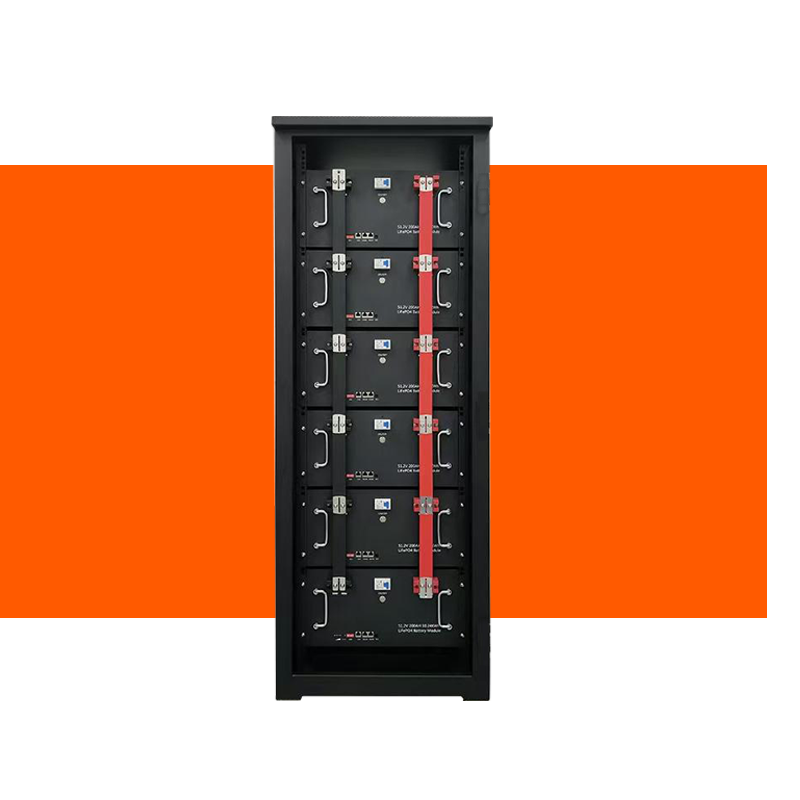
When discussing energy storage systems (ESS), duration is a key concept. It refers to how long an energy storage system can supply power before needing to recharge. Understanding this duration helps users select the right system for their needs.
Duration is significant because it determines how effectively an energy storage system can support energy demands. It is typically measured in terms of energy capacity (measured in megawatt-hours, MWh) and power rating (measured in megawatts, MW). While energy capacity indicates the total amount of energy stored, power rating reflects how quickly that energy can be delivered.
To illustrate this, consider a system with a capacity of 10 MWh and a power rating of 2 MW. This system can provide power for 5 hours (10 MWh / 2 MW = 5 hours) before it needs recharging.
Energy storage systems can be categorized based on their duration capabilities. These categories help users understand what type of system best fits their application needs.
Category | Duration | Typical Applications |
Short-Duration | Less than 4-8 hours | Grid stabilization, peak shaving |
Medium-Duration | 4-10 hours | Renewable energy integration |
Long-Duration | 10+ hours | Seasonal storage, backup power |
Short-duration systems are designed for rapid response. They are ideal for applications requiring quick bursts of power, such as grid stabilization and peak shaving. For instance, CONCENPOWER’s Battery Energy Storage System (BESS) excels in this category, providing immediate power when demand spikes.
Medium-duration systems bridge the gap between short and long-duration storage. They can effectively integrate renewable energy sources like solar and wind into the grid by storing excess energy generated during peak production times. This flexibility allows users to tap into stored energy when production drops.
Long-duration systems are crucial for applications that require energy over extended periods. They are particularly useful for seasonal storage and backup power during outages. Technologies in this category can include pumped hydro storage and advanced battery systems that can discharge energy for days or even weeks.
CONCENPOWER's offerings include a range of products that align with these categories. Their BESS is specifically designed for short-duration applications, ensuring users can efficiently manage energy supply and demand fluctuations. By understanding the duration of energy storage systems, users can make informed decisions that align with their energy needs and goals.
While energy storage systems (ESS) play a crucial role in modern energy management, they come with limitations. Understanding these challenges helps users make informed decisions when selecting an energy storage solution.
Capacity Degradation Over Time
One significant limitation is capacity degradation. Over time, batteries lose their ability to hold a charge effectively. This degradation can occur due to various factors, including the number of charge cycles and environmental conditions. For example, lithium-ion batteries typically experience a decrease in capacity after several thousand cycles, impacting their long-term viability.
Environmental Sensitivity and Its Impact on Performance
Energy storage systems can also be sensitive to environmental conditions. Factors like temperature and humidity can significantly affect performance. For instance, extreme temperatures can lead to reduced efficiency and lifespan. Cold weather may hinder battery performance, while excessive heat can accelerate degradation. This sensitivity underscores the need for careful consideration of installation environments.
Round-Trip Efficiency and Its Implications
Round-trip efficiency refers to the percentage of energy that can be retrieved from a storage system compared to what was initially put in. High round-trip efficiency is essential for maximizing the benefits of energy storage. However, many systems experience losses during charging and discharging. For example, a system with 80% round-trip efficiency means 20% of the energy is lost in the process. CONCENPOWER is committed to providing high-efficiency solutions, ensuring minimal energy loss and optimal performance.
Technical Limitation | Impact | Example |
Capacity Degradation | Reduced energy storage over time | Lithium-ion batteries losing charge |
Environmental Sensitivity | Performance drops in extreme conditions | Batteries underperform in cold weather |
Round-Trip Efficiency | Energy losses during use | 20% loss in a system with 80% efficiency |
Depth of Discharge (DoD) and Its Effect on Battery Lifespan
Depth of discharge refers to how much energy is used from a battery before it is recharged. A high DoD can shorten the lifespan of batteries, leading to more frequent replacements. For example, regularly discharging a battery to 80% of its capacity can significantly reduce its overall life compared to a system that only discharges to 50%. It’s essential to manage DoD carefully to optimize battery longevity.
Interconnection Backlogs and Their Impact on Deployment
Another operational challenge is the interconnection backlog. As demand for energy storage systems increases, so does the need for grid connections. However, many regions face delays in connecting new systems to the grid. These backlogs can slow down deployment and limit the effectiveness of energy storage solutions. Addressing these challenges is crucial for maximizing the potential of energy storage systems.By understanding these limitations, users can better navigate the complexities of energy storage systems. Each challenge presents opportunities for innovation and improvement in the industry, paving the way for more efficient and reliable energy solutions.
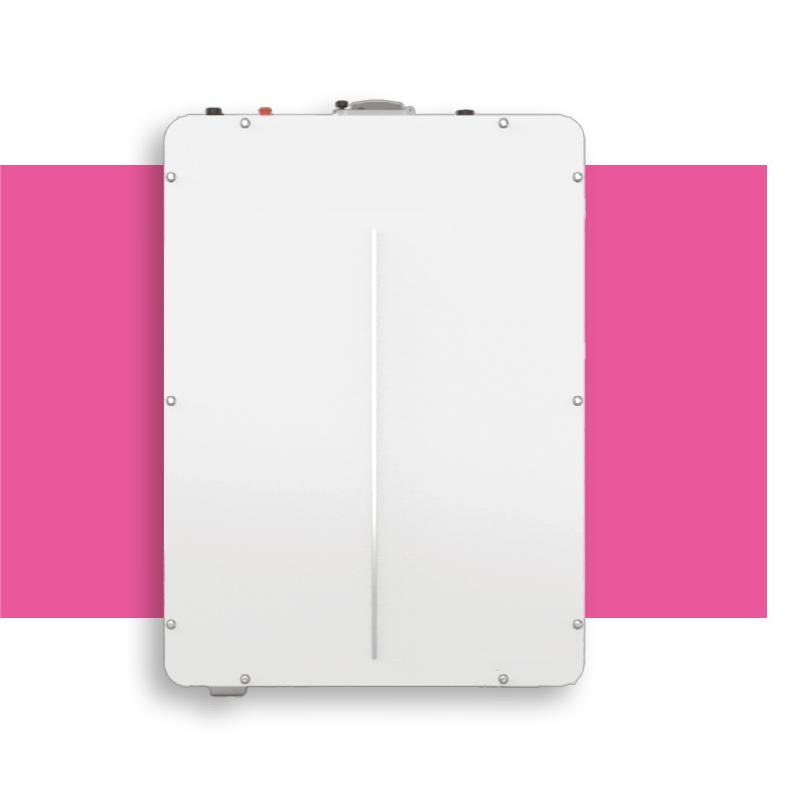
Energy storage systems (ESS) face several economic and market barriers that can hinder their growth and adoption. Understanding these challenges is crucial for stakeholders in the energy sector.
Geopolitical Supply Constraints Affecting Materials
One of the most pressing challenges is the geopolitical supply constraints impacting essential materials for energy storage systems. For instance, lithium, cobalt, and nickel are critical for battery production. Political instability in key mining regions can disrupt supply chains, leading to increased costs and delays. This volatility makes it difficult for manufacturers to maintain stable pricing and production schedules.
Policy and Incentive Structures That Impact Market Growth
In addition to supply chain issues, the effectiveness of policy and incentive structures plays a significant role in market growth. Many regions lack clear regulations or financial incentives to encourage investment in energy storage technologies. Without supportive policies, potential investors may hesitate to commit resources, slowing down innovation and deployment.CONCENPOWER addresses these challenges through its CO-Partner Program, which provides partners with stable order sources. This program helps mitigate risks associated with market fluctuations and supply chain uncertainties, fostering a more resilient partnership.
Economic Challenge | Impact on ESS |
Geopolitical supply constraints | Increased costs and production delays |
Inadequate policy support | Slower market growth and reduced investment |
Lack of incentives for adoption | Hesitation from potential investors |
Emerging Models Like "Value Stacking" for Revenue Generation
Looking ahead, new economic models are emerging that can enhance the financial viability of energy storage systems. One such model is "value stacking," which allows energy storage operators to generate revenue from multiple services. For example, a single energy storage system can provide grid support, frequency regulation, and backup power, maximizing its value and return on investment.
Predictions for Market Growth and Technology Advancements
Market analysts predict significant growth in the energy storage sector over the next decade. As technology advances, costs are expected to decrease, making energy storage more accessible. Innovations in battery chemistry and management systems will likely enhance efficiency and lifespan, further driving adoption.Investors and stakeholders should keep an eye on these trends, as they could reshape the energy landscape and create new opportunities for energy storage solutions. By understanding the economic barriers and future trends, stakeholders can better navigate the evolving market for energy storage systems.
Understanding energy storage systems is essential for managing energy effectively. Key points include their duration, limitations, and economic challenges. The future of energy storage technology looks promising, with advancements on the horizon.
We encourage readers to explore various energy storage options to meet their specific needs. For further reading, consider checking out CONCENPOWER’s offerings and resources to enhance your knowledge.
A: The main types include batteries (like lithium-ion), pumped hydro, and thermal storage.
A: Consider factors like duration, capacity, application, and budget to select the best system.
A: Environmental impacts include resource extraction, energy use during production, and recycling challenges.
A: Lifespan varies; batteries may last 5-15 years, while other systems can last longer with proper maintenance.
A: Innovations include improved battery chemistry, enhanced efficiency, and new materials for longer-lasting systems.
A: CONCENPOWER focuses on high efficiency, robust design, and offers stable order sources through its CO-Partner Program.

